Weight Sorting Machine vs. Manual Sorting: Which One Is Right for You?
For companies looking to sort products in terms of weight, they have two primary routes to take: weight sorting machines or manual labor. Jing Liang would like to help you understand the differences between the two, so you can decide which one works best for you and your business.
Methods of Sorting Speeds and Precision
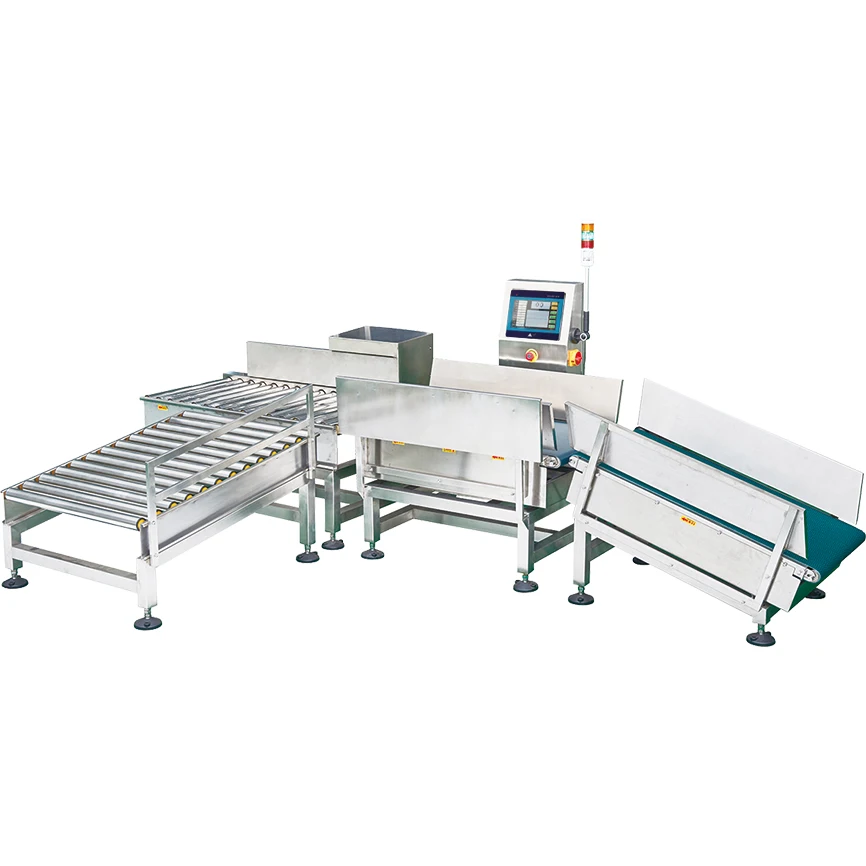
Weighting sorting machines have high speed and precision. These X Ray Machine For Food can efficiently scale and sort products, ensuring that each item is at the right weight. This is important because ensuring the correct weight helps make sure customers receive the expected product. In contrast, manual sorting relies on individuals to weigh and sort products. The requirement for data to be available to train on can increase the time and reduce the accuracy. And people are involved, and people can fail. For instance, a person could mistakenly weigh an item incorrectly or sort it into the wrong bin. Errors such as these can lead to re-work for your business, unhappy clients, or returns.
Expense of Machines versus Synthetic Labor
At first glance, weight sorting machines can appear quite expensive when it comes to product sorting costs. Nonetheless, bearing in mind that they can save you cash in the long way round is essential. These Checkweigher are increasingly faster and more efficient than humans. They quickly and accurately sort products, so you pay less in time, and typically money too. Manual labor may seem cheaper initially, but it can become more costly over time. This, of course, makes manual labor take up more workers, and hence adds to the total cost, while there may be other inefficiencies that would not have happened, had machines been used, when working manually.
This gives consistency and reliability of sorting.
This is another advantage of weight sorting machines are known to be accurate and consistent. These Metal detector checkweigher combo are able to weigh and sort products without a single mistake. That means every time you use them, you can rely on them to get the job done right. As opposed to manual sorting which relies on the workers. Human error is also possible, which may cause sorting to be inconsistent. For instance, if one worker sorts items in a different way than another, it can create confusion. It is extremely paramount for your business to maintain product quality, using a machine will help you sort your products correctly each and every time.
Handling Different Products
Weight sorting machines are usable with many products. They can sort everything from small items, such as candies, to large, heavy items, such as boxes of equipment. They can sort products in specific weight ranges to suit your business, so they are flexible machines. This can be particularly handy if you sell different products in your business. Sorting by hand might have its constraints depending on how large or small a thing is and if it’s a little heavy or light; humans may struggle to sort it. For example, one worker might need to lift a heavy item while, at the same time, sorting out something small and light.
Considerations While You Pick
Here are few Key considerations when choosing between a Sorting Machine and manual sorting. First, think about how many products you have to sort and how quickly you need them sorted. But if you have such tons of products to be sorted in a short time, you may consider a weight sorting machine. It can help keep up with demand and help to make sure everything is done on time. Also, consider your budget. Try comparing the cost of purchasing a weight sorting machine with the recurring expenses of worker sorting. While a machine may cost you more upfront, it will likely save you money in the long run by cutting down on the number of extra workers you need to hire.
As previously mentioned, this is a massive improvement over manual sorting in terms of speed, accuracy, consistency, and reliability. Because of this, while machines may seem more expensive initially, they are a worthwhile investment for companies ready to optimize their sorting. With that in mind, Jing Liang is here to help you navigate the pros and cons of each method to make the best choice for your business and to keep your sorting processes as effective as possible.


Comments
Post a Comment