The Lifecycle of Disposable Cups, Cutlery, and Containers
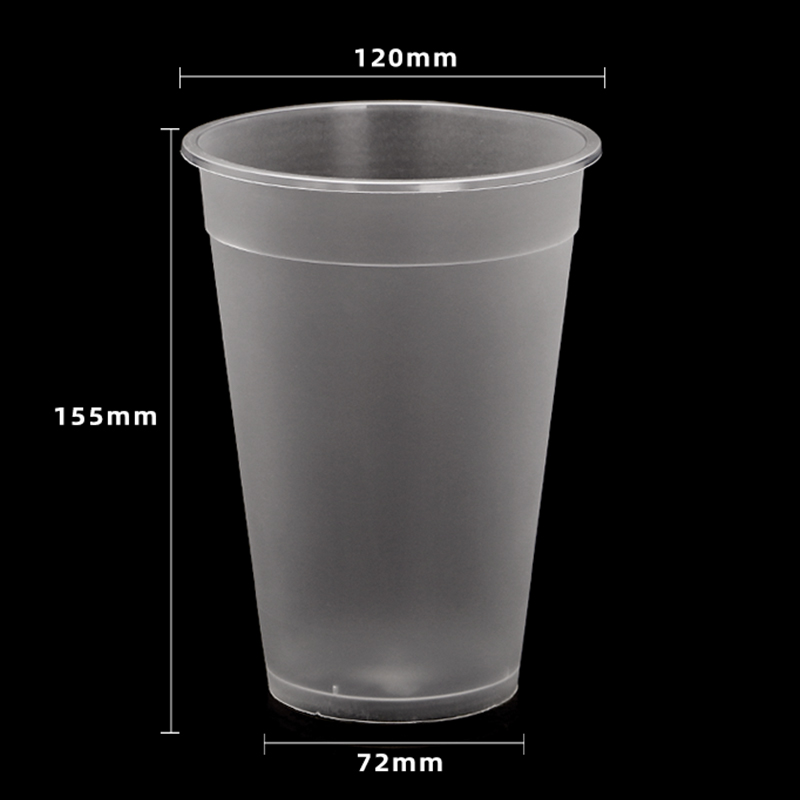
Planet Earth is our home, and it is a unique place. Because we are living human and it is our responsibility to take care of this motherland. Disposable cups, forks and containers ever heard of it? This mostly includes disposable items that we use on singular basis. What many people take for granted hurts the Earth in so many ways. So today let us find out what happens to these items after we discard them and how can we switch from our choices, in order to conserve earth for the coming eras.
Disposable ItemFully Loaded Weight Differences
But before we get into what happens to singleuse items after you use them, let's discuss how bad they are for the environment literally right now. The Injection Round Bowl when we use disposable cups, forks and other containers is staggering. Most of this trash goes into the landfills, oceans and forests where it can take hundreds or even thousands of years in some cases to biodegrade. In fact, some of the homewares can hang around long after you pass for hundreds of years However, it is not the only problem that results from trash. More so, all of these items being disposable are making uses a lot energy and resources (water and oil) to make. It is created by manufacturing processes that can cause air and water pollution, harming plants, animals, and potentially ourselves. It fuels climate change as well, a larger problem that spans the planet. We must realize the implications of singleuse items and consider better choices, for both our world is ecofriendly too.
Conventional Consideration Why we should
After all, we tend to view convenience as a positive. So it makes our life easier, correct? But with singleuse items we should certainly reconsider. Food Industry though we only use these throwaways for a matter of seconds, the damage to Earth can be longlasting. We do need designs that are kind to the environment but instead of taking a simplistic path solely for ease some initiative needs addressing whether ecooptions can be as easy. We could start with bringing our own water bottles, forks and containers wherever we go. So by adopting this approach, we can refuse singleuse items and cut down drastically on the waste being generated. Such small daily habits can have a great impact on our planet and promise the wellbeing of all.
Where Do Disposables Go?
Ever think about what happens to a Compartment Lunch Boxes after you chuck it in the trash? It could end up in a landfill, where it will reside for Iwon'tevenguesshowmanyyears, or however long "forever" is. Methane is a harmful gas that can be produced in the landfill and it negatively affects our climate carelessly causing global warming. The cup could also find its way into the ocean, where it is a danger to marine animals that think that it may be food. An extremely serious issue for many species of wildlife and the entire ocean ecosystem. Though even if the cup ends up in a facility that recycles cups, it may not get recycled here. resolve("#related"); Recycling can be difficult, expensive and some materials cannot even be recycled. Every disposable product we consume is one step closer to that end, so the next time you use a singleuse item take note of what disposal looks like and make better choices when presented with alternatives.
Better Choices for Our Planet
With our singleuse problem in mind, let's discuss some practical solutions for all these items. Better choices need to be made many that will also prove more sustainable for the longterm of our planet. Like we can use bamboo, metal, and glass cups; forks etc(pdevoplascoster) The good part about using these items is that they can be washed and reused, thereby reducing waste. And they even come in all sorts of cute and pretty colors that we can play with These would be things like that are made of compostable items such as corn starch and sugarcane, which is natural materials you have a product breaks down from it nature. Selecting alternatives is crucial toward easing our planet and giving upcoming eras a cleaner environment.
Complete guide: How to live a zero waste lifestyle
So now that we understand how our singleuse items are influencing the world and what else we can use, let's Do Something about it. To be the change, we need to immediately start making less mess in our lives. This can be achieved by toting zerowaste bags, water bottles and coffee cups everywhere we go. Where we can refuse straws and singleuse plastic cutlery when purchasing takeaway. In our homes and schools, we can also make improved decisions every day. For instance, we can replace plastic spoons with wooden ones and paper napkin with cloth one or even if you absolutely need to use a container, use a glass jar instead of plastics. Whilst these seem quite minor changes, when we all come together and make this change they do combine to make a positive difference for our planet.
Disposable cups, forks and container are used only for a short time but they cause damage to our planet over long period of time. People have to appreciate the damage single use items are doing on the earth and research for alternatives, . We need to reexamine our convenience context and what we do with aftereffects of disposable products. Let us all take baby steps to save the beautiful planet we now live in and gift our children a healthy earth for generations to come.


Comments
Post a Comment