Environmental Footprint of Disposable Tableware
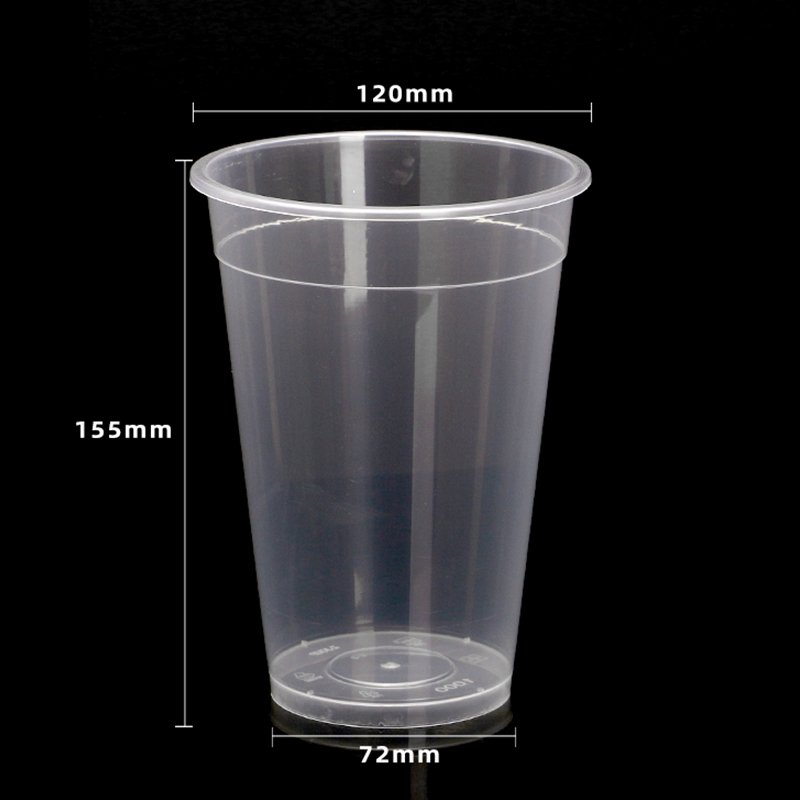
We eat our food with the help of plates, cups and forks in all meals. Disposable tableware is chosen by many people because it's easy. You can use these once and then throw them away without having to worry about washing. Yet the majority of this socalled disposable tableware is made mostly from plastic, one of the most devastating substances to our environment and thus on earth that supports us.
Being EcoConscious
To me being ecoconscious is recognizing that the choices we make and actions on this planet have an impact, a significant one at times. Disposable tableware are a big contributor to which pollution and help on killing our mother of the planet. Deli Container (a material used in the manufacture of a great many disposable products) has an incredibly long decomposition time. In reality, it can take hundreds of years to degrade This results in plastic remains on the ground for a long time, and causes more harm to plants, animals or any ecosystems. Cutlery Material Plate fork Glass or glass spoon Dish forks Give up disposable tableware, use ceramic plates to eat vegetables; if possible, bring a few environmentally friendly bowls from home. WeTMre doing our bit for the environment by using reusable tableware.
The Symptom of Convenience Killing the Environment
As we all know that today you can easily scan the most commonly used products. While convenient things like singleuse cutlery can make our Injection Round Bowl more accessible, they do so at a dire cost to the environment. Although using disposable items might be easier, it can cause damage to nature. Plastic is made from oil which is nature source and one day could run out. Using disposable tableware is also an environmentally more damaging way of life, and the production process releases harmful substances to both air and water. As already described, such pollution would be harmful for the environment and could also harm people living or working near by this space.
From Making to Throwing Away
The whole malay kind of cooking start with the work for oil drills, blowing The drilling could be under the sea, or on land. The oil is then sent to factories after it has been extracted. Once there, the oil is transformed into little pieces of plastic known as pellets. These pellets are formed into onetime use tableware, packaged for us and stocked at the store to purchase. We discard everything in singleuse fashion once we have used it. However, they end up in landfills where can pollute the environment for hundreds of years to come and some can cause pain if it get into animal stomachs or around their bodies.
How Disposable Tableware Impacts Our Lives environmentally
In fact, disposable tableware can be seen in many aspects of our everyday life. We use them at home for family meals, at work on lunch breaks and even traveling in transit. When we use a disposable product, then after using it they must be requesting for many pieces before releasing and when these all products are being discarded our environment getting polluted. Cookie Boxes and Buckets does a huge harm to the planet. Every year, hundreds of million singleuse tableware are disposed and they need 100 years to degrade naturally in the landfill with oceans as their final destination. This pollution not only is capable of harming the environment in which it exists, but also surrounds animals living on affected lands.
We can be environmentally friendly and reduce pollution by using complete reusable tableware. We can also make an attempt to use appliances that are more sustainable and less damaging. We all need to realise what our acts have on nature and how we can do it better for a sustainable development. If each of us can make these easy changes in our daily life, we will take a step towards helping the world for not only ourselves but also to future generation. Let's ALL make a difference, together.


Comments
Post a Comment