Advanced Drying Methods: From Evaporation to Calcination
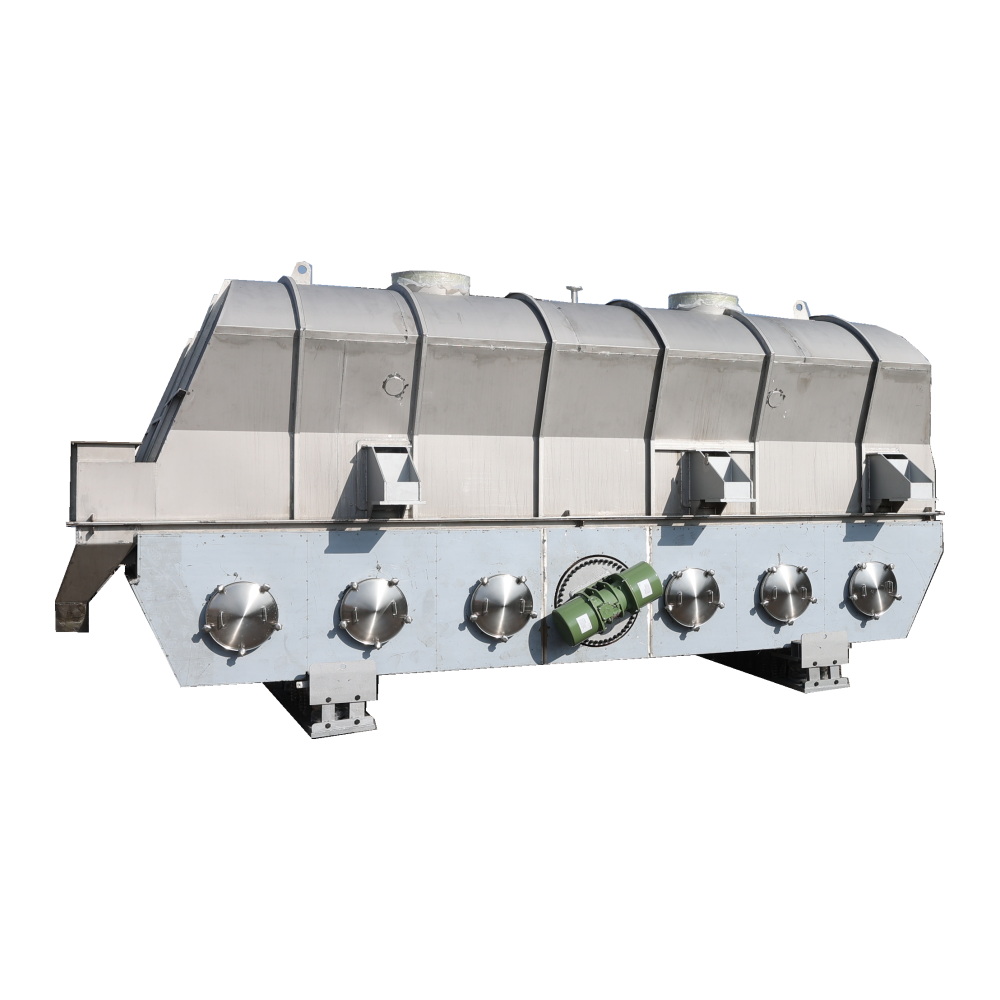
Drying is a very amazing science. Dewatering means drying things out by making them free of water. But did you know there are many ways to dry things? It’s true Find out about different ways people dry things — in their daily life and across industries.
Different Ways to Dry Things
There are many ways in which people can dry things, and each method will have a unique way with it. There is also a technique through liquid which is situationally depending on what exactly the drying process entails, however in general it refers to evaporation as well. This is when water becomes warm, hot and evaporates as gas. The gas then evaporates into the air, making it a dry item. Observe this on a hot sunny day when clothes are hung outside after being washed. Freeze-drying is another manner in which to dry things. The compound first freezes this item at ultralow temperatures with over 8000 times on molecular. After that, it is sent to a machine in which the air gets sucked out and then frozen water can instantly turn into gas. This makes the item entirely dry and is commonly used to preserve foods fruits.
Another method is spray drying. Very often a liquid is sprayed to extremely hot air. This makes the liquid evaporate quickly because of the heat transforming it to a dry powder form. This process is mostly to create products instant coffee and milk powder that we can use in our kitchens. Calcination: This is drying things out the other way. This is getting something so hot that, in the end, only the powder remains - no water. This method is commonly used for industrial materials.
Why Drying is Important
Thus, one of the fundamental applications that we all need to recognize in our daily lives and almost in every sector is advanced drying processes. Drying is common in the foods dry fruits, and vegetables are made by this process that can last years without breaking down. This Salt Making and Salt Chemical Industry is a massive saving grace as it enables us to enjoy healthy snacks even during the off-season when all fresh ones have gone out of stock. Drying can be applied on the chemical industry when it becomes necessary to create chemicals and drugs that simply provide greater functionality. Rehydrated products are also reliable and durable when dried for a longer duration.
These process of drying is also effective for industries from both perspective that are money and time saving. When you have a lot of stuff to get dried off quickly, this can be so helpful since it really does dry things faster than some of our older methods. Moreover, it can dry things that were difficult to be dried before. This capability allows companies to make more products, turning the machine faster and subsequently making more money.
The Future of Drying
With technology improving, we have come up with better ways to dry things. There may be even faster ways to dry items in the future. For example, newer methods of freeze-drying might be even more effective at kicking out all the water. This potentially means new types of long-shelf-life food products.
Plus the potential for new and faster spray-drying methods that are even more of a dry powder These Chlor-Alkali Chemical Industry innovations will allow companies to manufacture products faster and at greater scale. With a faster turnaround time they are able to save more money and resources, which is crucial for every business.
Making Products Better
Most efficiently run commercial spray dryers use state-of-the-art drying methods to enhance the utility and quality of items we depend on. For example, these methods may be used to dry things that previously could not be dried. This new capability can aid in making existing medicines and chemicals even more desirable to us. Properly dried products can mean that the product is more potent and will last longer.
These methods can also dry products faster than the old-fashioned ones. This New Energy Material rapid pace has been instrumental in saving companies time and money, both necessary for organizational prosperity. Given all these advantages then, it comes as little surprise that various other sectors are also increasingly looking towards advanced drying methods to facilitate their operations.
Many industries require use of advanced drying methods. This is why they wick water away from things and make them dry, or let us produce products that last longer. We can anticipate new and improved drying methods with the further enhancement of technology. Given all these advantages, It is clear why many industries are increasingly demanding and using advanced drying technology.


Comments
Post a Comment